Real expertise in video production education
We've spent years figuring out how to teach video production skills that people actually use. No fluff, no impossible promises—just practical knowledge from people who do this work every day.
How we got started
Back in 2017, three video producers sat around a table complaining about the same thing: nobody teaches the stuff that matters. Lighting theory is great, but what about managing client expectations? Editing techniques are useful, but how do you actually structure a 12-week shoot schedule?
We started Solivarae as a side project. Just recording what we were learning on real jobs and sharing it with friends. People kept asking for more, so we kept going. Eventually it became obvious we should do this properly.
Now we run courses that cover everything from basic camera operation to complex post-production workflows. We focus on the practical gaps—the things you need to know when you're on set at 2am and something goes wrong.
What drives our teaching
Real project experience
Every lesson comes from actual production work. We teach what we've tested in the field, not theoretical concepts that sound good but fall apart under pressure.
Technical depth
We get into the details that matter. Codec settings, audio sync issues, color space management—the stuff that separates acceptable work from professional results.
Honest assessment
Your work gets reviewed by people who know what good looks like. We point out what works and what doesn't, without sugarcoating. You learn faster that way.
Who teaches these courses
People with production credits, not just teaching credentials
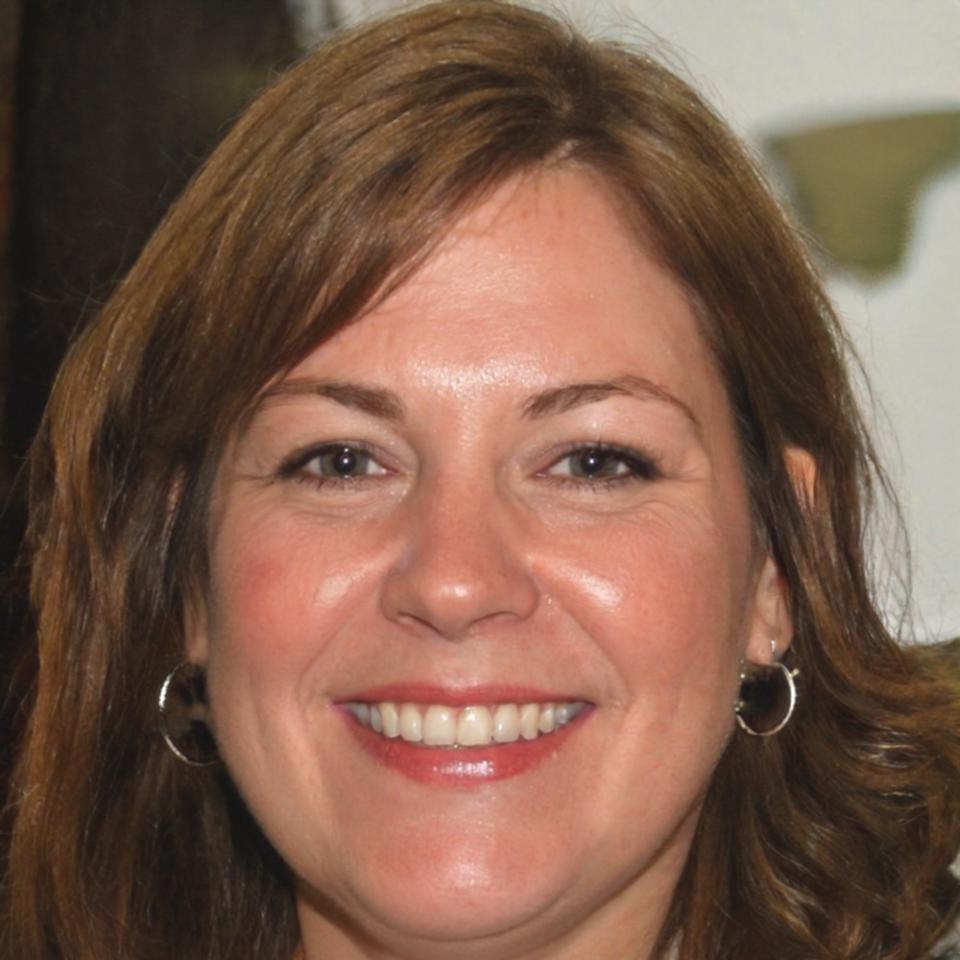
Siiri Rauhala
Lead Cinematography Instructor
Spent 11 years shooting documentaries in difficult conditions. Now teaches camera operation and lighting with a focus on working fast when you can't control the environment. Her course on natural light techniques gets referenced constantly.
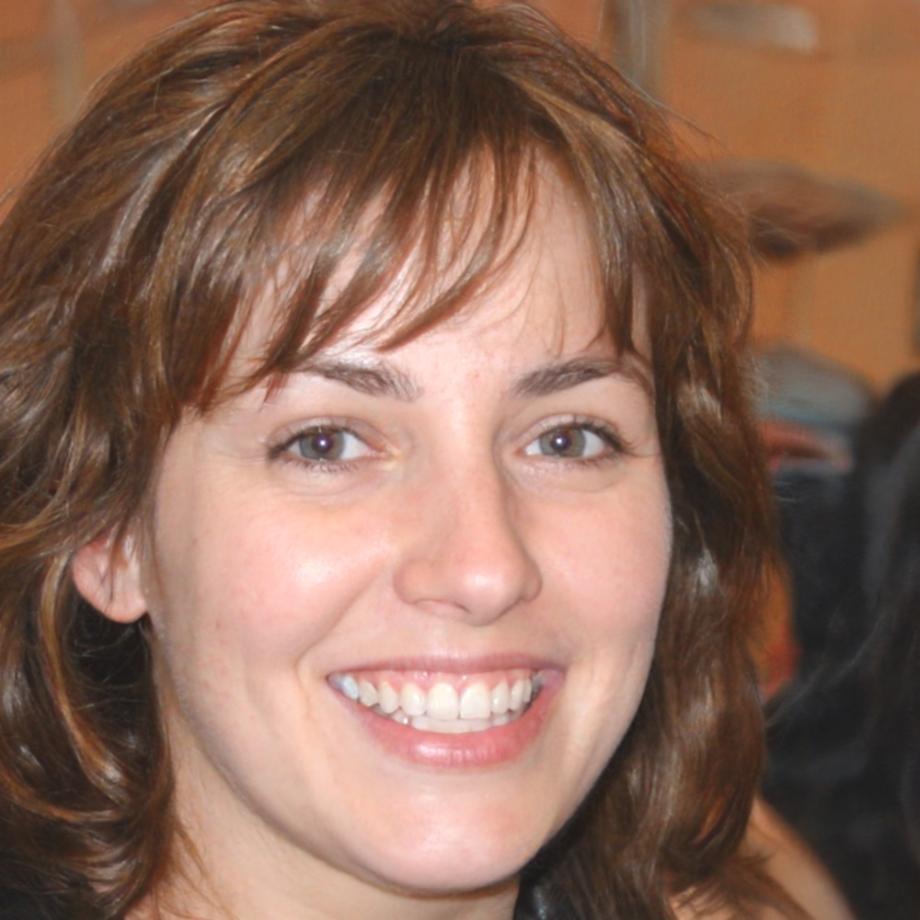
Maarit Vesala
Post-Production Specialist
Built her career editing corporate videos and commercials on tight deadlines. Knows every shortcut in Premiere and DaVinci Resolve. Her workflow optimization course cuts editing time significantly for most students.
How our courses actually work
Practical assignments from day one
You start shooting or editing right away. Theory gets mixed in as you need it, not front-loaded in boring lectures. Each assignment builds on real production scenarios.
Detailed feedback on your work
Submit your projects and get specific notes from instructors who've done this professionally. They'll tell you what's working and what needs adjustment, with examples of how to fix it.
Technical problem-solving sessions
Live sessions where we work through common issues—codec errors, audio sync problems, color grading challenges. You see how experienced producers handle these situations in real time.
Build your portfolio as you learn
Every assignment contributes to work you can show potential clients or employers. By the end of the course, you have completed projects that demonstrate actual skills.

Why we focus on video production
Video work has changed completely in the past decade. What used to require expensive equipment and specialized facilities now happens on laptops and mirrorless cameras. The barrier to entry dropped, but the skill requirements got more complex.
You need to understand not just how to operate a camera, but also lighting ratios, audio levels, codec specifications, color science, and project management. Most importantly, you need to know which of those things matter for the specific project you're working on.
We teach the decision-making process as much as the technical skills. When do you shoot in log? How do you balance quality against file size? What's the minimum acceptable audio setup for different situations? These are the questions that come up on every job.
What you can expect from us
We update course content regularly based on what's actually being used in production. When a new camera system becomes standard, we add lessons on it. When software gets updated with features that change workflows, we revise our tutorials.
Our courses run at your pace. Some people finish in eight weeks, others take six months. The material stays accessible after you complete it, because you'll want to reference specific techniques later.
We're located in Lemon Tree Passage, but students join from across Australia. All content is online, with scheduled live sessions that get recorded for different time zones. You can reach instructors through the platform or via contact@solivarae.com if you hit technical issues.